If the water leak is visible, then yes, any plumber can fix it.
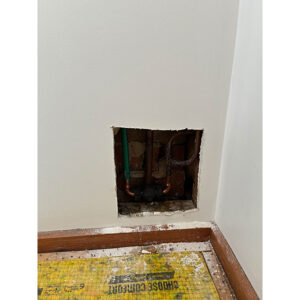
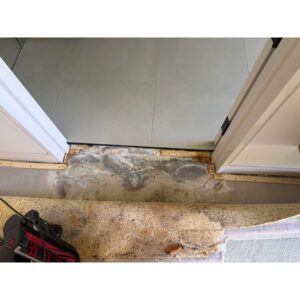
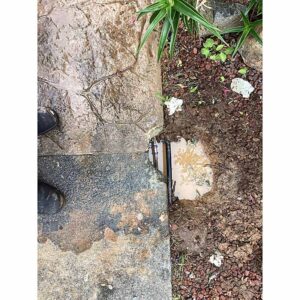
For hidden water leaks, where the source of the leak is not visible, we highly recommend a professional and experienced leak locator.
The right 6 questions to ask before engaging someone to find a hidden water leak – guide from a water leak expert.
If you want the least destructive and most cost-effective solution to your water leak problems, it is best to ask a lot of questions before engaging anyone to find a water leak.
These questions include:
Question 1
Will your business undertake both the leak locating and the repair?
Or will you need a professional leak locating contractor to help locate the leak before it can be fixed?
If the answer is “Yes we will be using a contractor to find the leak first,” then you will be paying for two tradespersons to be on site at the same time. You may also have to wait for and pay for a second visit by the locating service and plumber if some exploratory work is required to access the plumbing systems.
What to look for
Find a service that can do it all by sending a plumber who is skilled at both locating and repairing with the right leak detection and equipment. Ask for their plumbing license number.
Question 2
What leak locating equipment do you use?
Do you own it or hire it?
At a minimum, the person answering should own the following leak locating tools:
- A pipe locator, consisting of a transmitter for sending a signal into the pipe and a receiver to locate the signal;
- A pressure gauge to test for pressure drops as water exits the pipe. Do they know how to use it and can they check for false readings if the water meter tap is faulty? And
- An electronic listening device that can pick up the specific sound frequency that is made by water leaking out of a pipe.
What to look for
Find a leak locating service that owns the above equipment at a minimum.
Question 3
What other equipment do you have?
Other equipment that provides more evidence of experience, include:
- Thermal imaging cameras to detect hot water leaks and cold water leaks buried under slabs and hard surfaces;
- Insertable electronic line tracers that give off an electronic signal, which, in conjunction with a receiver, can be used to trace plastic pipes;
- Insertable metal push rods that can be used to rattle and make noise inside pipes, and can conduct a traceable signal;
- Small-diameter pipe cameras to look inside medium-diameter water and drainage pipes;
- Pipe thumpers that cause water pipes to pulse underground so that listening devices can accurately find the location of the pipes;
- Compressed air-injection systems that create bubbles at the surface and can be traced with listening devices; and
- Tracer gas systems, comprising of an inert gas such as nitrogen, and an electronic gas detector.
If the water leak is visible, then yes, any plumber can fix it. For hidden water leaks, where the source of the leak is not visible, we highly recommend a professional and experienced leak locator.
For complex leaks or leaks in plastic water pipes, find a leak locating service that also uses the above equipment.
Question 4
What experience do you have?
How long have they been undertaking water leak locating services? In the ACT, this is easily checked by asking for their plumbing licence number. The first four digits indicate the year they were licensed.
An experienced leak locator must also rely on what their tools are telling them. Creating access to a leak can be destructive and costly.
When a leak is under a slab or deep below the ground, there are many reasons why these tools can give false results.
Unless the leak is clearly visible, an experienced leak locator may use up to three methods to confirm the type and location of the leak. In this case, we would go with what at least two of the three tests tell us.
An experienced leak locator will not begin putting holes in walls or slabs without undertaking at least three non-destructive tests first, or may even consider less-destructive alternatives such as rerouting the pipe around the leak.
What to look for
Find a leak locating service that has experience. Ask them what’s involved in finding a leak and see if they sound confident while they explain it to you. Listen to whether they mention possible alternatives. Check their licence number and see if they’ve only recently been licensed or if they have been in the trade for a while.
Question 5
Have you ever failed to find a leak?
An honest professional should always answer yes. Accurate leak locating can be very complex, and every piping system and building is different.
Additionally, finding and repairing the specific leaking section of pipe is not always the best solution.
An experienced leak locator will quickly know whether the time and destruction caused by finding and accessing leaking pipes is worth the cost.
Additionally, they will know whether the leak is likely to occur in a similar location in the future. They will also consider if there are cheaper, less destructive and more beneficial alternatives over the long term.
Just because the leak locator has failed to accurately find or access the leak, does not mean they will not be able to stop the leak. Sometimes, a better solution can be rerouting pipes around the leak.
What to look for
Find a leak locating service that is not only focused on finding and exposing the leak. Ask them if they know why they could not find the leaks they have missed in the past, and how it was solved.
Question 6
What holes or damage will occur while looking for and fixing the leak?
Cutting holes in bathroom walls and slabs causes waterproofing issues, and matching replacement tiles is always difficult. Cutting holes through timber flooring or pulling out cabinets is messy, and replacing or refitting them is very expensive.
When you ask “What holes or damage will occur while looking for and fixing the leak?” an experienced leak locator will likely answer, “Hopefully none. We will find the least destructive way to find and stop your water leak.”
Leak locating does sometimes require investigative holes. A professional service will find ways to discretely hide investigative holes and they will rarely (if ever) remove tiles from a bathroom wall or floor.
What to look for
Avoid any leak locating service that thinks cutting exploratory holes in tiled walls and floors, in other finished floor coverings, or removing cabinets is a first option. Fixing the holes may end up more expensive than fixing the leak.
How can Canberra Water Leak Locating & Detection Service help?
Since 1991, we have been detecting and locating water leaks in Canberra water pipes made from galvanised steel, copper and all brands of plastic pipes. Ask around your suburb and there’s a good chance we’ve fixed a leak for a neighbour.
Finding the leak is half the battle. Fixing the leak can sometimes be more difficult than finding it. We’ve never run into a water leak issue we couldn’t solve – all with minimal damage to your property.
We have also been called in by other plumbers to find leaks that they had given up on.
Call us on 0448 844 911 today for Canberra’s leak locating specialists – Canberra Water Leak Locating & Detection Service.
