CCTV Drain Camera Inspections
Can stormwater pipes be located?
Some stormwater pipes can be easily inspected with a CCTV drain camera, some are partially inspected, and others are not at all. We never know which ones will be successful until we try. This is due to the material used and to how well the stormwater drain was originally installed.
Drain cameras will not go around 90° stormwater bends or straight tees. They will go around two 45° bends that form a 90 ° change of direction, and around 45° junctions.
When we cannot use a camera, we use an electric eel to locate the stormwater pipes. We put a signal in the form of a pulse into the metal cable of the electric eel. We then use our locator to follow the pulse signal.
If you need stormwater pipes located, contact us today 0448844911
Pipe locations
Can Plastic water pipes be located?
In 50% of cases, it is possible to locate plastic water pipes. Some pipes can be located by inserting a special plastic-coated metal wire into the pipe. However, this largely depends on the pipe’s size, location, number of fittings, and immediate access to sections of the pipe.
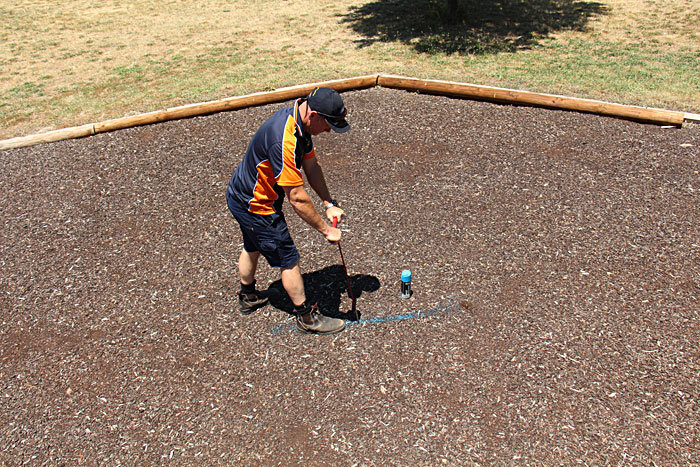
It is possible to find plastic irrigation pipes and solenoid valves by connecting a device that creates an electronic pulse to wires in the irrigation control box.
When looking for small-diameter plastic pipes in walls, a small mini probe camera would be inserted by removing nearby power points.
If you need plastic pipes located contact us today 0448844911
What can affect the process of locating water pipes under slabs or below ground?
If a metal pipe is touching the reinforcing steel in the slab, the signal from the pipe locator can be dispersed and lost. If the pipe has completely broken, the signal from the pipe locator can be very hard to find.
Moisture in tree roots can cause the signal to jump from a pipe into the roots.
Locating plastic pipes under slabs is quite hard. This is where plumbing experience plays a more important role than electronic locating equipment.
If you need pipes under slabs located contact us today 0448844911
Plumbing Inspections
How important are plumbing approvals for selling houses?
It is very hard to sell a building or a house with unapproved plumbing, gas fitting or drainage installations in Canberra. During a pre-purchase inspection, the inspector will note any differences between what is shown on the plans and what actually exists. Conveyances will check building records in the government files to see if any plumbing permits have been started but not completed.
Buyers should never buy a house with unapproved plumbing work unless they intend to bulldoze or renovate straight away. Buying such houses will void your insurance if your house suddenly catches fire or floods. It exposes buyers to litigation if someone is injured as well.
We can help sellers get approvals for unfinished or unapproved plumbing, gas fitting and drainage. It can be done quickly, but it may be expensive. Government fees for permits, plans, and inspections can exceed a thousand dollars. The costs of these fees are beyond our control. Before any inspections, all work that does not meet current standards must be rectified.
Some work known to have been done but cannot be inspected is covered in this process. The plumber who signs off on the approval is responsible for this un-inspected work.
Therefore, you may be asked to sign a letter taking full responsibility for anything that goes wrong for an indefinite period. Alternatively, the plumber will take responsibility but will add an additional charge to cover costs if something goes wrong in the future.
We always recommend that homeowners use licensed plumbers for all plumbing work and ensure those plumbers seek government approvals at the commencement of the work. The cost of doing it at this stage is a fraction of what it would cost to do it just before selling.
If you need plumbing approvals to get the sale of your house through, contact us today
How important are pre-purchase plumbing inspections?
Buyers should never buy a house with unapproved plumbing work unless they intend to bulldoze or renovate straight away. Buying such houses will void your insurance if your house suddenly catches fire or floods. It also exposes buyers to litigation if someone is injured.
